
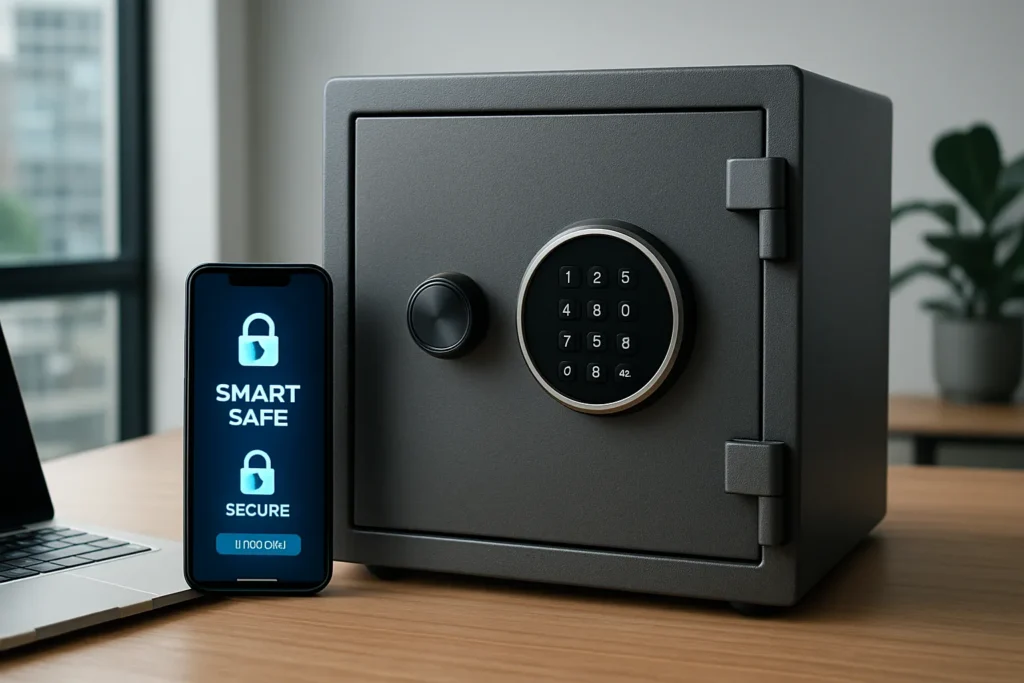
Exploring Smart Safe Technology: Secure Storage Solutions for Businesses
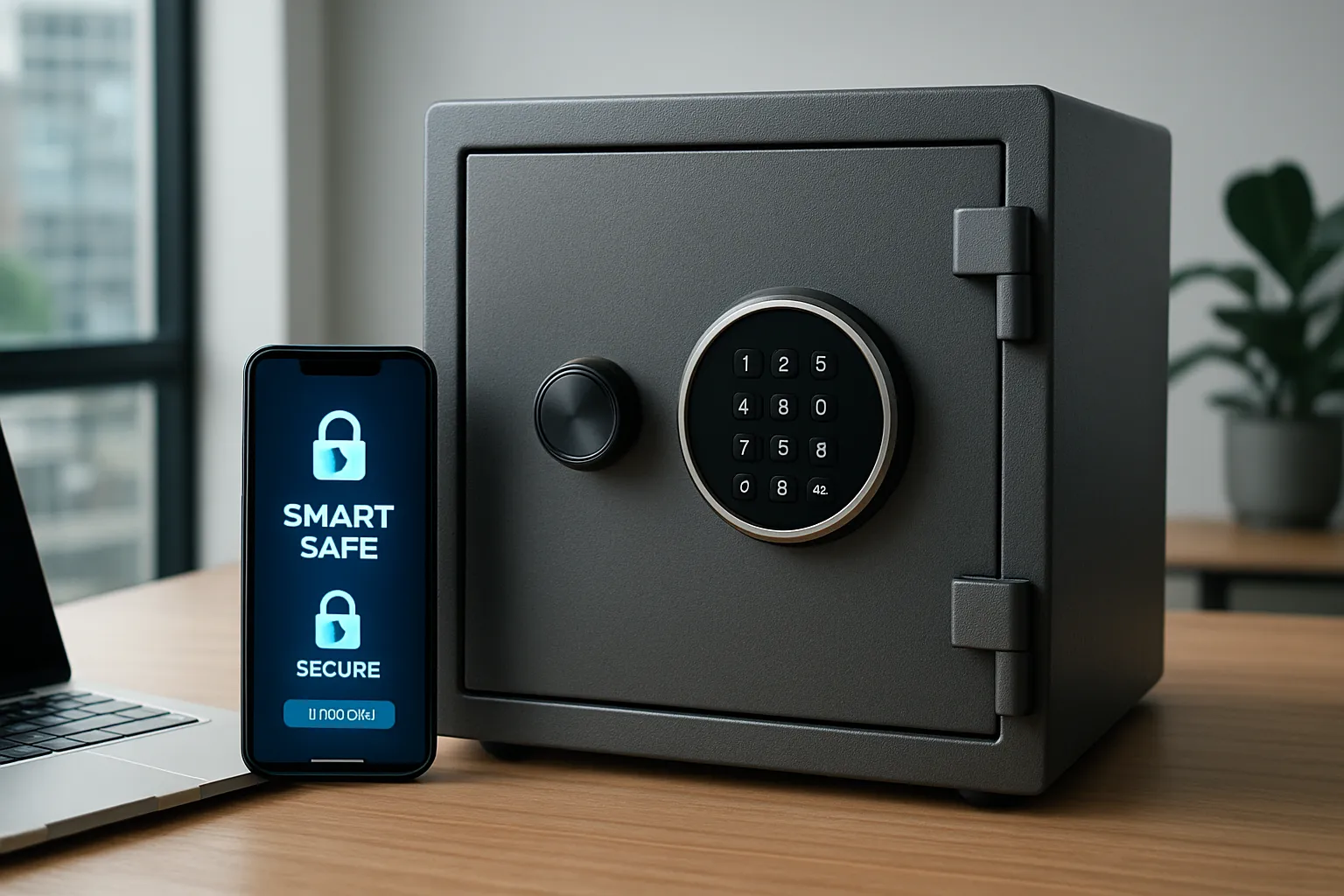
In today’s digital landscape, robust security measures are crucial for businesses. Smart Safe Technology marks a significant leap forward in secure storage solutions, merging traditional safety with modern technological advancements. These innovative safes are designed with advanced features that not only enhance security but also give businesses greater control over their assets. As the threats of theft and data breaches escalate, recognizing the importance of Smart Safe Technology becomes essential for contemporary business security. For a comprehensive look at various security products, visit our product page. For authoritative insights on security technology, check out Security Magazine.
Key Specifications of Smart Safes
Security Features
Smart safes come equipped with a range of security features tailored to safeguard valuable assets. Biometric access controls, such as fingerprint scanners, and remote monitoring capabilities allow businesses to oversee their safes in real-time. Additionally, many smart safes provide audit trails, ensuring that each access event is logged and can be reviewed, thereby adding another layer of accountability.
Technology Integration
One of the most impressive aspects of Smart Safe Technology is its ability to integrate seamlessly with existing security systems. Businesses can connect smart safes with alarm systems, surveillance cameras, and inventory management software, creating a cohesive security network. This integration not only bolsters security but also streamlines operations, enabling better resource management. For insights on enhancing workplace security, check out this article.
Size and Capacity Options
Smart safes are available in a variety of sizes and capacities, catering to diverse business needs. Whether it’s compact models for small retail operations or larger units suitable for financial institutions, businesses can select a smart safe that aligns with their specific requirements. This flexibility ensures that companies can find a solution that meets their storage needs without sacrificing security.
Use Cases for Smart Safe Technology
Retail and Inventory Management
In the retail sector, smart safes are vital for inventory management and loss prevention. By securely storing cash and high-value merchandise, retailers can reduce theft and streamline cash handling processes. Features like real-time inventory tracking and automated cash deposits enable retailers to maintain accurate records and enhance operational efficiency.
Financial Institutions
Financial institutions greatly benefit from Smart Safe Technology. Banks and credit unions use these safes to secure cash reserves and sensitive documents, ensuring compliance with strict financial regulations. The advanced security features of smart safes provide peace of mind, knowing that assets are protected from unauthorized access.
Hospitality Industry Applications
In the hospitality sector, smart safes improve guest experience while ensuring security. Hotels can provide in-room safes equipped with digital locks and mobile access, allowing guests to secure their valuables conveniently. Furthermore, staff can monitor these safes remotely, ensuring they function correctly and provide a secure environment for guests.
Comparing Smart Safes to Traditional Safes
Security Effectiveness
When evaluating smart safes against traditional safes, the effectiveness of security features stands out as a primary consideration. Smart safes offer advanced technologies such as remote monitoring and biometric access, which are absent in traditional safes. This makes them significantly more resistant to unauthorized access, thus enhancing overall security.
Cost Analysis
While the initial investment in Smart Safe Technology may be higher than that of traditional safes, the long-term savings can be considerable. Businesses can minimize losses from theft, streamline cash handling processes, and improve operational efficiency. Therefore, a cost analysis that considers both upfront and ongoing expenses is essential for making an informed decision.
User Experience
User experience is another key factor when comparing smart safes with traditional ones. Smart safes often feature user-friendly interfaces and mobile applications that simplify access and management. This ease of use can lead to increased employee satisfaction and improved compliance with security protocols.
Sourcing Smart Safe Technology
Top Manufacturers and Brands
When sourcing Smart Safe Technology, it’s crucial to consider reputable manufacturers known for quality and reliability. Leading companies in the industry include AMSEC, SentrySafe, and Gunnebo, each offering a range of smart safes tailored to various business needs.
Evaluating Vendor Reliability
Assessing vendor reliability is vital to ensure businesses receive high-quality products and support. Companies should seek vendors with a proven track record, positive customer reviews, and comprehensive warranties. Partnering with vendors who offer ongoing support and maintenance will also enhance the longevity of the investment.
Budget Considerations
Budget considerations play a significant role when implementing Smart Safe Technology. Businesses should evaluate their financial capacity and assess the potential return on investment. While smart safes might require a higher initial cost, the potential savings in theft prevention and operational efficiencies often justify the expense.
Implementation of Smart Safe Solutions
Installation Process
The installation of smart safes typically involves professional setup to ensure proper integration with existing systems. This may include connecting to security cameras, alarm systems, and network infrastructure, thereby enhancing both functionality and security.
Staff Training Requirements
To fully leverage the benefits of Smart Safe Technology, staff training is essential. Employees must be trained on how to operate the smart safe, access features, and respond to security alerts. Proper training mitigates risks and ensures effective use of the technology.
Maintenance and Support
Regular maintenance and support are crucial for the longevity of smart safes. Businesses should establish a maintenance schedule and collaborate with vendors to keep the technology up-to-date and fully functional. This proactive approach can help prevent potential security breaches and ensure optimal operation of the safe.
Frequently Asked Questions
What are the benefits of Smart Safe Technology?
Smart Safe Technology provides enhanced security features, improved operational efficiency, and seamless integration with existing systems, making it a valuable investment for businesses.
How does Smart Safe Technology integrate with existing systems?
Smart safes can connect to various security and inventory management systems, allowing for real-time monitoring and streamlined operations.
What are the common challenges in adopting Smart Safes?
Challenges may include the initial investment costs, the necessity for staff training, and potential integration issues with existing security systems.
In conclusion, Smart Safe Technology is transforming the landscape of secure storage solutions for businesses across various sectors. By understanding its key specifications, use cases, and implementation strategies, companies can make informed decisions that bolster their security posture and enhance operational efficiency.