
The Importance of Biometric Deposit Safes for Office Security Solutions
Introduction to Biometric Deposit Safes
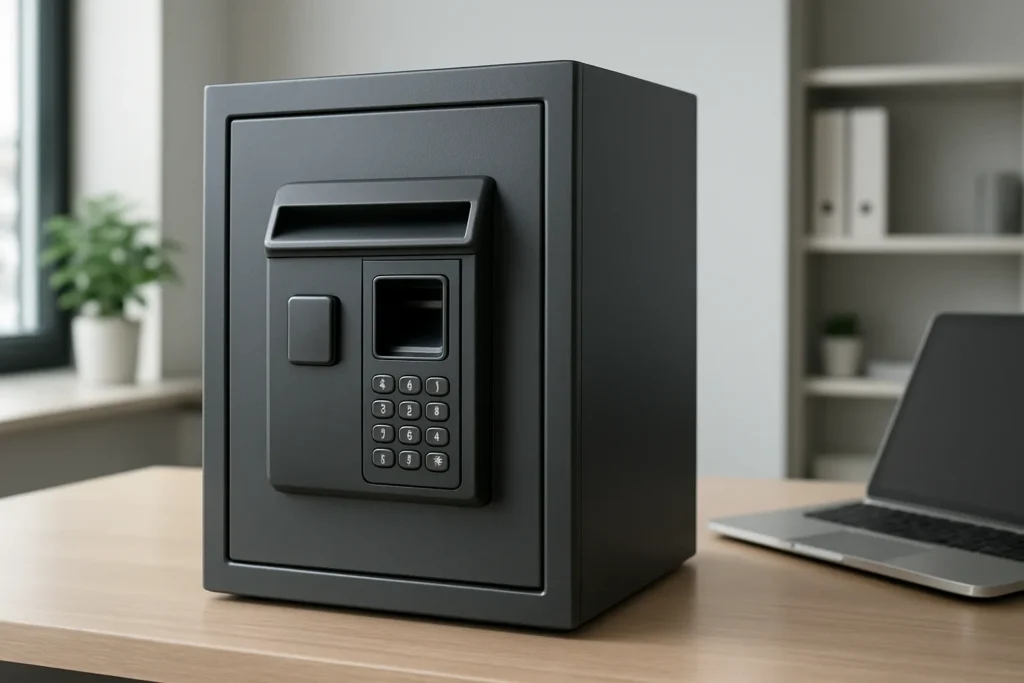
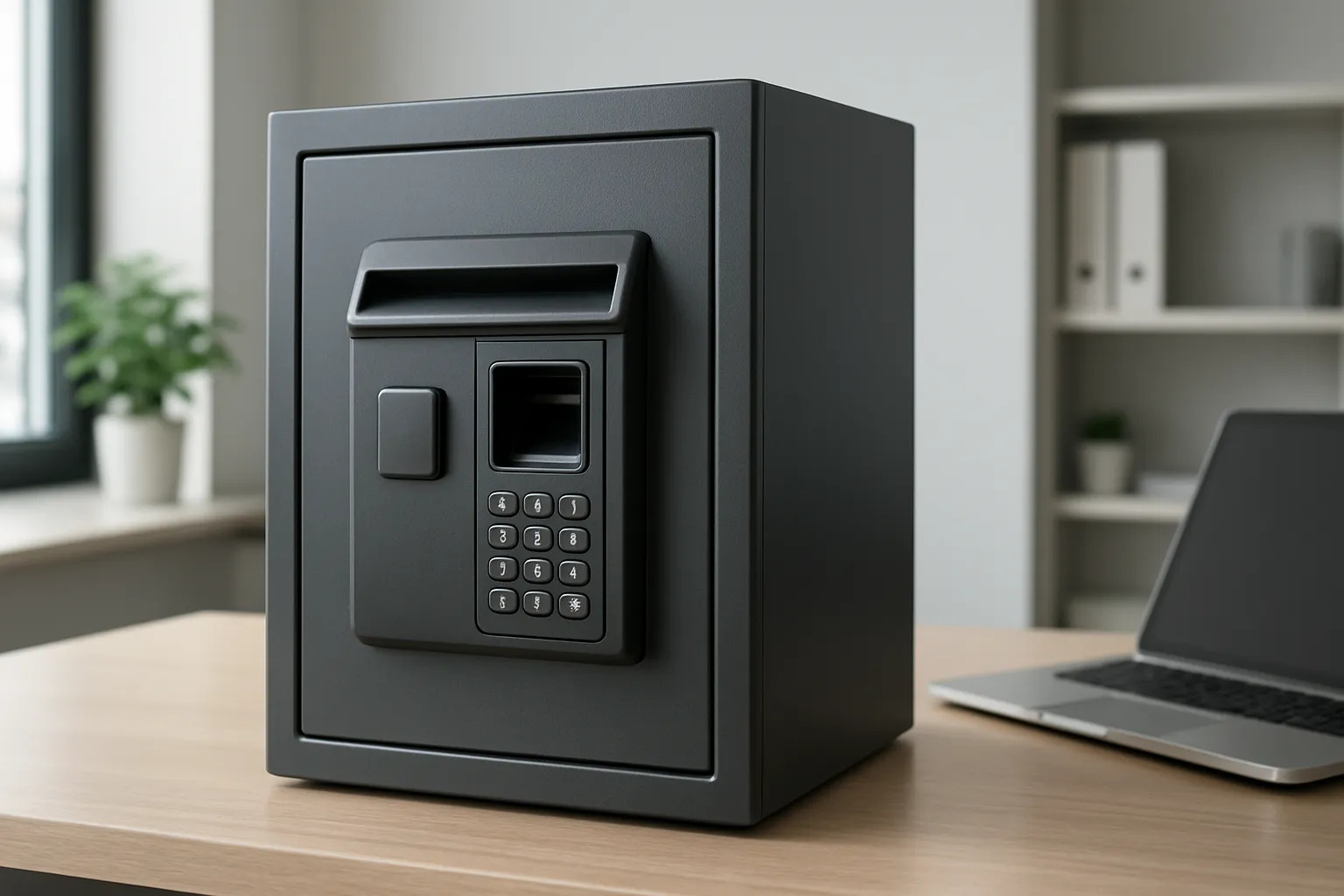
In today’s fast-paced business landscape, ensuring robust office security solutions is more crucial than ever. A biometric deposit safe stands out as a state-of-the-art security device designed to safeguard sensitive assets, including cash and confidential documents. Utilizing advanced biometric technology, these safes measure unique physical characteristics, such as fingerprints or facial recognition, to grant access. As organizations increasingly face threats from theft and data breaches, recognizing the significance of biometric deposit safes is vital for modern office security needs.
Key Specifications of Biometric Deposit Safes
When considering a biometric deposit safe, understanding its key specifications is essential.
- Types of Biometric Technology: Most biometric deposit safes primarily use fingerprint recognition, which is widely adopted for its speed and reliability. However, some models also offer facial recognition or iris scanning, each with distinct advantages.
- Security Features and Ratings: The effectiveness of a biometric safe is often determined by its security features and ratings. It’s advisable to select safes that meet recognized standards, such as UL ratings for fire and burglary resistance. Additional features like tamper alerts, backup key access, and emergency power options can significantly enhance security.
- Capacity and Size Options: Biometric deposit safes are available in various sizes and capacities to meet different office requirements. Whether you need a compact safe for a small workspace or a larger unit for a corporate setting, there are tailored options to fit diverse needs.
Use Cases for Biometric Deposit Safes in Offices
Biometric deposit safes serve multiple purposes in an office environment:
- Protecting Sensitive Documents: Offices often manage sensitive documents, such as contracts and personal information. A biometric deposit safe ensures that only authorized personnel can access these critical files, substantially reducing the risk of unauthorized access.
- Cash Management Solutions: For businesses that handle cash transactions, a biometric deposit safe offers a secure solution for cash management. It allows for quick deposits while maintaining a high level of security, deterring theft and ensuring accountability.
- Compliance with Regulatory Standards: Many industries have stringent regulatory requirements regarding data protection and asset security. Utilizing a biometric deposit safe can help companies adhere to these standards, thereby avoiding potential legal issues and fines.
Comparing Biometric Deposit Safes to Traditional Office Safes
When assessing security options, comparing biometric deposit safes with traditional office safes is essential:
- Security Effectiveness: Biometric safes provide a heightened level of security compared to traditional locks, which can be easily compromised. The unique identification required for access makes it significantly more challenging for unauthorized individuals to gain entry.
- User Accessibility: Traditional safes often rely on keys or combinations, which can be misplaced or forgotten. In contrast, biometric deposit safes streamline access for authorized users, allowing for quick and hassle-free entry without the risk of losing a physical key.
- Cost Considerations: Although biometric deposit safes may have a higher initial cost, the long-term savings associated with reduced theft and enhanced security can outweigh the upfront investment. Moreover, the operational efficiency gained through easier access can boost productivity.
Sourcing Biometric Deposit Safes
Finding the right biometric deposit safe requires careful sourcing:
- Reputable Manufacturers and Brands: Opt for safes from established manufacturers known for their quality and reliability. Brands that specialize in security solutions often offer superior performance and customer support. For a broader selection, visit the Products page.
- Factors to Consider When Choosing a Supplier: Assess suppliers based on their reputation, customer reviews, and the variety of products they provide. It’s also essential to inquire about customization options to meet specific security needs.
- Warranty and Support Services: A solid warranty and responsive customer support are crucial when purchasing a biometric deposit safe. This ensures assistance in case of malfunctions or questions regarding usage.
Implementation of Biometric Deposit Safes
Successfully implementing biometric deposit safes requires a structured approach:
- Installation Process: Professional installation is recommended to ensure that the safe is set up correctly and integrated into existing security systems. This may involve connecting the safe to alarm systems or other security measures already in place.
- Employee Training and Usage Guidelines: Providing comprehensive training for employees on how to use the biometric deposit safe is crucial. This training should cover enrolling fingerprints, accessing the safe, and responding to potential security alerts.
- Integration with Existing Security Systems: A biometric deposit safe should complement your existing security infrastructure. Consider how it can work alongside surveillance cameras, alarm systems, and access control measures to create a cohesive security strategy.
Frequently Asked Questions (FAQs)
- What are the benefits of biometric technology? Biometric technology enhances security by providing unique identification for users, reducing the risk of unauthorized access and promoting user accountability.
- How do biometric deposit safes work? These safes utilize biometric scanners to read and verify users’ physical traits, such as fingerprints, ensuring that only authorized individuals can access the safe.
- What maintenance is required for these safes? Regular maintenance includes checking battery life, ensuring the biometric scanner is clean, and periodically testing the safe’s functionality.
Conclusion
In conclusion, integrating a biometric deposit safe into modern office security systems is not merely a trend but a necessity. By understanding their specifications, use cases, and advantages over traditional safes, businesses can make informed decisions that enhance their security posture. As threats evolve, so must our strategies for protecting valuable assets, making biometric deposit safes an essential component of contemporary office security.